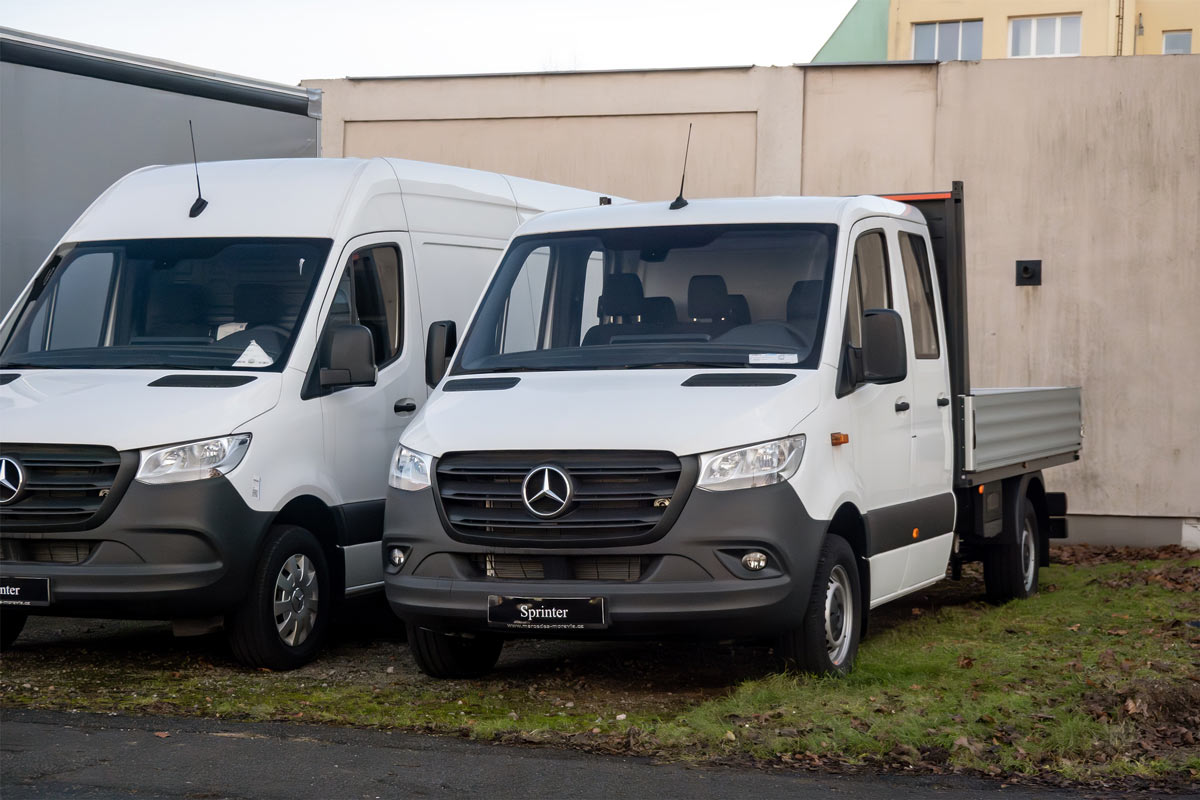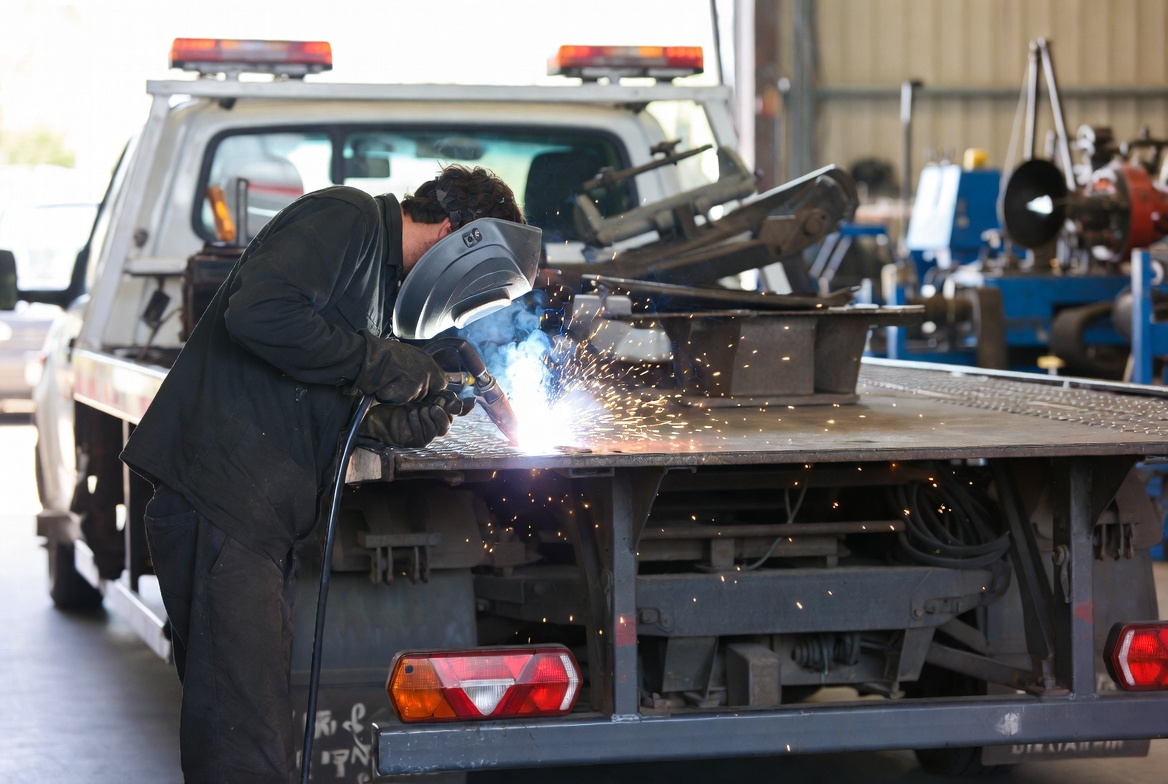
For tradespeople, time is money. Every minute spent hunting for tools, organising materials, or navigating a poorly configured vehicle is a minute lost on site. That’s where bespoke vehicle builds come into play. By tailoring vehicles to meet the exact needs of a trade, businesses can create mobile workspaces that improve efficiency, reduce downtime, and ultimately boost profitability.
Bespoke vehicle builds are no longer a luxury. They are a practical solution that addresses the everyday challenges tradespeople face. From electricians and builders to landscapers and delivery services, customised vehicles are transforming how trades operate, offering smarter layouts, secure storage, and features designed to make every task easier.
Understanding the Value of Bespoke Vehicle Builds
A standard van or truck is designed to be general-purpose. While it can carry materials, tools, and equipment, it rarely suits the specific workflow of a trade. Items are often stored inefficiently, tools are hard to reach, and valuable time is wasted rearranging cargo or searching for equipment.
Bespoke builds solve these issues by considering the user’s exact requirements. Shelving, racking, and storage are designed to fit specific tools and materials, meaning everything has its place. Not only does this save time, but it also reduces damage to equipment and ensures that vehicles remain organised even on the busiest of days.
Time-Saving Through Intelligent Layouts
One of the biggest advantages of a bespoke build is the time saved on everyday tasks. Tradespeople don’t need to climb over equipment, move items around, or hunt for tools. Every element of the vehicle is designed with workflow in mind, from tool storage at eye level to compartments that prevent small parts from shifting during transit.
For businesses that operate multiple vehicles, consistency is key. When every van is configured identically, staff can move between vehicles without a learning curve, further reducing wasted time and improving efficiency. In industries where minutes count, this streamlined access can have a noticeable impact on productivity.
Enhancing Safety and Reducing Risk
Workflow isn’t just about speed; it’s also about safety. Bespoke builds incorporate secure storage, anti-slip surfaces, and ergonomic layouts that reduce strain on workers. Properly secured tools and materials minimise movement during transit, lowering the risk of accidents both on the road and on site.
Safety-focused modifications can include everything from reinforced shelving and locking mechanisms to roof racks that safely carry ladders and long materials. Trades that frequently transport heavy or awkward equipment benefit from layouts that prevent injury while maintaining accessibility.
Tailoring Vehicles to Industry Needs
Different trades have different requirements, and bespoke builds reflect this. A landscaper might need easy-access compartments for smaller tools and secure storage for chemicals, while a builder may prioritise carrying large sheets of timber or heavy machinery.
This level of customisation ensures vehicles are not only practical but also optimised for the types of tasks performed daily. By addressing trade-specific needs, bespoke builds reduce the friction caused by generic vehicle designs, meaning workers can focus on their jobs rather than vehicle limitations.
The Role of Technology in Bespoke Builds
Modern bespoke builds often integrate technology to further improve workflow. LED lighting allows for safe work in low-light conditions, while sensors, cameras, and other electronics make vehicle operation easier and safer. Electrical upgrades can power tools directly from the vehicle, eliminating reliance on site sockets and reducing downtime.
These technological integrations allow trades to maintain efficiency even in challenging conditions. By combining traditional storage solutions with modern tech, bespoke builds create vehicles that are truly fit for purpose.
Cost Savings Over Time
While bespoke builds require an upfront investment, they often save money in the long run. Organised vehicles reduce damage to tools and materials, lower the likelihood of accidents, and improve operational efficiency. Tradespeople spend less time on manual handling, trips back and forth for forgotten equipment, or rearranging poorly laid-out vehicles.
For businesses with multiple staff and vehicles, the cumulative effect can be substantial. Over time, the efficiency gains and reduced risk of damage can offset the initial cost, making bespoke builds a smart investment rather than an expense.
Flexibility and Adaptability
Another key advantage is flexibility. Bespoke builds can be adapted as business needs change. Additional racking, compartments, or technology can be integrated without replacing the vehicle. This adaptability ensures that the vehicle continues to serve the business efficiently as workflows evolve.
Trades often face seasonal or project-based changes. A vehicle that can evolve alongside operational demands allows businesses to remain agile, respond quickly to client requirements, and maintain high productivity throughout the year.
Real-World Impact
The practical benefits of bespoke builds are seen every day in trades across the country. Teams report faster job completion, reduced frustration, and smoother workflows. Staff satisfaction increases when vehicles are designed around their needs, which can also aid in recruitment and retention.
In addition, bespoke vehicles convey professionalism to clients. A well-organised, purpose-built vehicle reflects the quality of the work being delivered, reinforcing trust and credibility with customers.
Conclusion
Bespoke vehicle builds are more than just a convenience—they are a strategic tool for trades businesses. By improving organisation, safety, and workflow, they allow teams to operate more efficiently, reduce downtime, and provide better service to clients.
Investing in a customised vehicle is ultimately an investment in productivity, safety, and professionalism. For trades that rely on mobility and efficiency, bespoke builds are not just useful—they are essential.