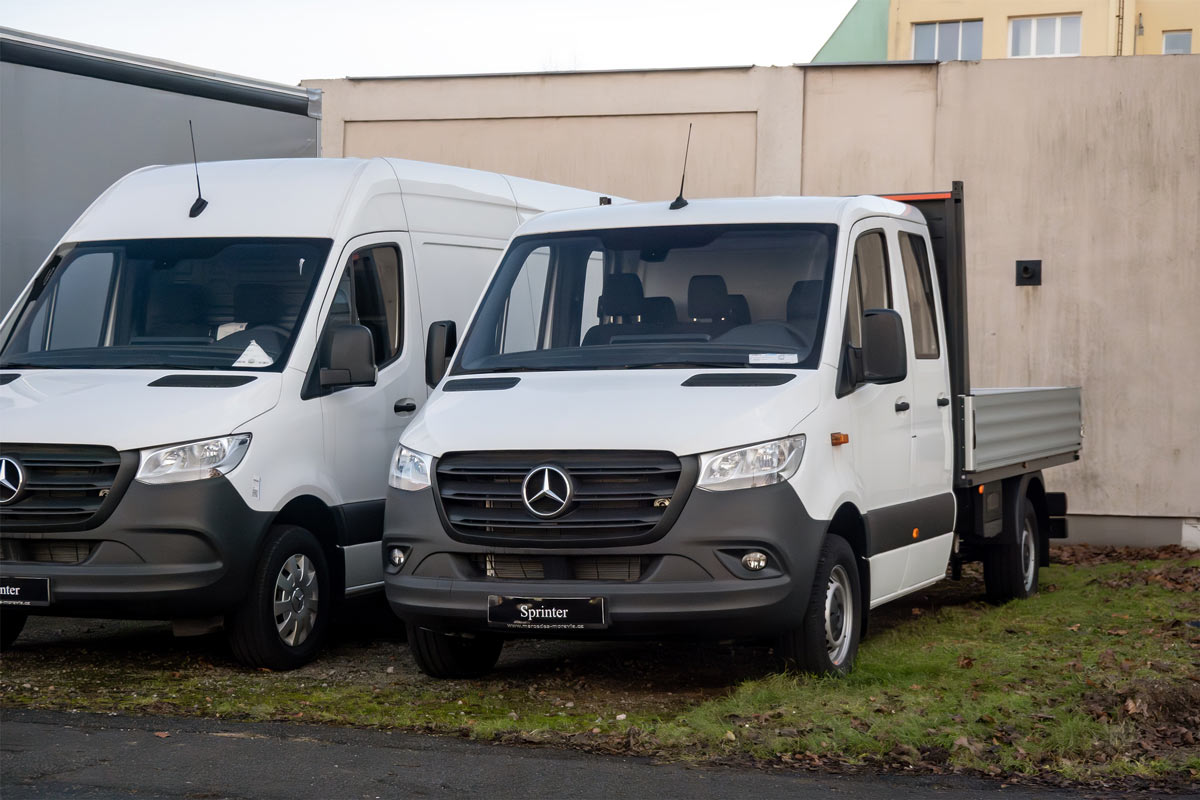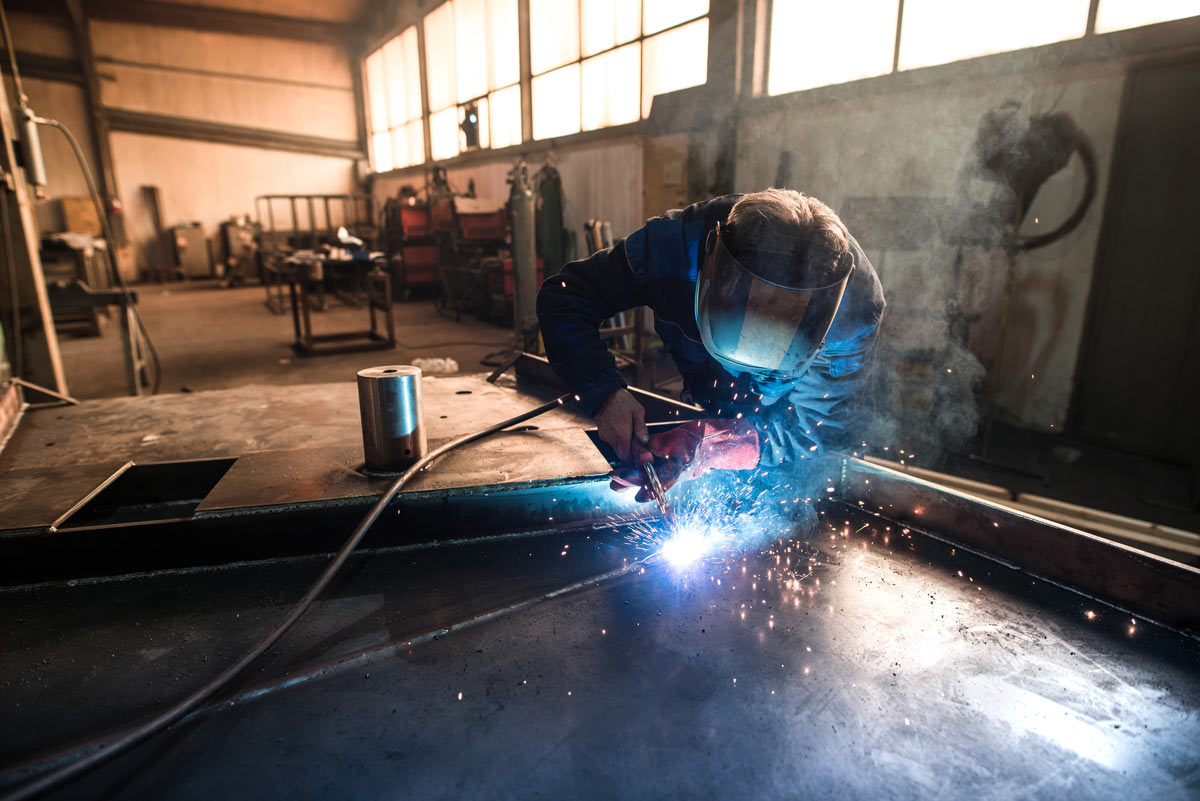
The commercial vehicle industry is constantly evolving, driven by advances in technology, environmental considerations, and the ever-changing demands of trades and businesses. Vehicle fabrication and modifications are no exception. What was once a straightforward process of fitting shelving or adding tool storage has transformed into a sophisticated sector integrating smart technology, sustainable materials, and highly customised designs. Understanding emerging trends is vital for fleet managers, tradespeople, and companies investing in vehicles that will remain practical, efficient, and compliant in the years to come.
As businesses look to improve efficiency, safety, and sustainability, bespoke modifications are increasingly tailored not only to operational needs but also to regulatory requirements and technological innovations. From electric powertrains to modular interiors and advanced safety systems, the future of commercial vehicle fabrication promises smarter, more adaptable vehicles designed to meet specific business challenges.
Electrification and Low-Emission Vehicles
One of the most significant trends shaping vehicle fabrication is electrification. With governments worldwide introducing stricter emissions regulations, many commercial fleets are shifting towards electric or hybrid vehicles. This change has a direct impact on modifications and fabrication processes.
Fabrication companies are now designing interiors, storage solutions, and equipment layouts that accommodate electric components such as batteries, charging systems, and high-voltage wiring. Space optimisation becomes crucial, as battery packs often occupy areas that would previously be used for storage or equipment. Trades requiring high payload capacity are seeking bespoke solutions that maintain functionality while accommodating electrified drivetrains.
The move towards low-emission vehicles is also driving innovation in lightweight materials. Aluminium, composites, and high-strength steels are being used more frequently to offset battery weight and maintain payload efficiency. Fabrication techniques are evolving to work with these materials, ensuring durability, safety, and structural integrity.
Smart Technology Integration
Modern commercial vehicles are becoming increasingly “connected,” and fabrication is adapting to this trend. Vehicle electronics now play a key role in safety, efficiency, and monitoring. Integrating sensors, cameras, GPS, and telematics during fabrication is becoming standard practice.
Smart modifications allow fleet managers to monitor vehicle health, track deliveries, and optimise routes in real time. In addition, embedded technology can improve workflow for tradespeople. For instance, built-in power systems, intelligent lighting, and sensor-triggered storage solutions streamline operations and reduce time wasted on site.
In the future, integration will go further. Augmented reality dashboards, automated loading systems, and AI-assisted safety features may become part of commercial vehicle builds, allowing operators to interact seamlessly with their vehicles while reducing risk and increasing productivity.
Modular and Flexible Interiors
Another growing trend is modular vehicle interiors. Trades often require different configurations depending on the project or season. Modular systems allow storage, racking, and equipment mounts to be reconfigured quickly without a complete rebuild.
This flexibility reduces downtime between jobs and enables businesses to adapt vehicles to changing workflows. For example, a van may need to transport tools one week and lightweight materials the next. Modular interiors allow these adjustments to happen efficiently while maintaining safety and organisation.
Fabrication companies are responding by designing standardised modules that can be fitted or removed easily. This approach also makes maintenance and upgrades simpler, extending the useful life of the vehicle and reducing costs over time.
Sustainability in Materials and Processes
Sustainability is no longer a peripheral concern. Businesses are seeking eco-friendly materials, such as recycled metals, sustainable timber, and low-VOC coatings. Fabrication workshops are adopting cleaner processes, reducing waste and energy consumption.
Sustainable design also focuses on vehicle efficiency. Lightweight materials, energy-efficient lighting, and optimised layouts reduce fuel consumption and emissions. Even seemingly minor choices, such as the type of fasteners, adhesives, or insulation materials used, are increasingly influenced by environmental considerations.
Sustainability is becoming a selling point for commercial fleets. Companies can demonstrate responsibility to clients and stakeholders while enjoying long-term cost savings through improved fuel efficiency and reduced material waste.
Advanced Safety Features
Safety has always been a priority in commercial vehicle fabrication, but technology is raising the bar. Roof beacons, flashers, and reinforced storage solutions remain important, but modern safety systems now include automated braking, lane-keeping assistance, collision detection, and adaptive lighting.
Future builds are likely to integrate these systems more comprehensively. Vehicles may include automated load sensors that alert operators if cargo is unsecured or if weight distribution exceeds safe limits. Interiors will be designed to reduce strain on operators, with ergonomically positioned storage, anti-slip surfaces, and easily accessible equipment.
These innovations not only protect workers but also minimise downtime caused by accidents and damage. For trades operating in high-risk environments, these safety features can provide tangible cost and operational benefits.
Customisation and Personalisation
Despite technological advancements, the need for bespoke, trade-specific modifications remains strong. One of the biggest trends in commercial vehicle fabrication is the blending of standardised, modular solutions with highly customised builds.
Tradespeople want vehicles tailored to their exact workflow, whether that’s optimised shelving layouts, specialised storage for tools and equipment, or built-in power and lighting systems. Personalisation ensures that every vehicle contributes directly to operational efficiency, rather than being a generic transport option.
Manufacturers are leveraging 3D modelling, CAD design, and virtual planning tools to create highly accurate, client-specific builds. This reduces errors, improves workflow planning, and enables clients to visualise the finished vehicle before fabrication begins.
Fleet Management and Predictive Maintenance
Connected and customised vehicles also allow for advanced fleet management. Telematics and sensor data can be integrated during fabrication to track vehicle usage, monitor wear and tear, and predict maintenance needs.
Predictive maintenance reduces unplanned downtime and improves fleet longevity. By knowing which components are likely to fail or need servicing, fleet managers can plan work around business operations, ensuring vehicles are available when needed.
In addition, data collected from smart vehicles can inform future fabrication and modification decisions. Understanding how vehicles are used on site allows for more efficient layouts, smarter storage solutions, and better integration of technology in future builds.
Looking Ahead
The future of commercial vehicle fabrication and modifications is increasingly defined by technology, efficiency, and sustainability. Electrification, smart integrations, modular interiors, advanced safety systems, and eco-friendly materials are set to become standard in the industry.
Trades and fleet operators who invest in these innovations will benefit from improved workflow, enhanced safety, and long-term cost savings. Bespoke builds will continue to evolve, blending the advantages of standardised, flexible modules with customised, trade-specific solutions that maximise productivity.
For businesses, the message is clear: staying ahead in commercial vehicle operations requires not just reliable vehicles but forward-thinking fabrication that integrates the latest trends, technologies, and materials. By embracing these developments, companies can create fleets that are safer, more efficient, and better equipped for the challenges of tomorrow.