When it comes to commercial vehicles, choosing the right type of body can make a significant difference to workflow, efficiency, and safety. Two of the most popular options for trades and businesses are flatbed vehicles and drop side vehicles. Each has its advantages, but understanding how they differ is essential for selecting the vehicle that best meets your operational needs.
Both types of vehicles are designed for flexibility and transport, but their design and functionality cater to different use cases. Tradespeople, builders, landscapers, and delivery operators often rely on these vehicles for moving tools, materials, and equipment. Selecting the wrong type can impact productivity, safety, and overall cost-effectiveness, making it crucial to weigh the benefits of each.
Understanding Flatbed Vehicles
Flatbed vehicles are characterised by an open, flat cargo area without fixed sides. This design allows for the transport of large or awkwardly shaped items, including machinery, pallets, and bulky building materials. Flatbeds are particularly useful when items need to be loaded using cranes or forklifts, as the open design provides unobstructed access from all sides.
One of the main advantages of flatbeds is their versatility. Trades that deal with irregularly shaped items or oversized loads often benefit from the unrestricted space. Additionally, flatbeds can carry materials that extend beyond the standard length of the vehicle, something that enclosed or sided vehicles cannot accommodate.
Flatbeds are also ideal for multi-purpose use. They can be used for transporting materials to sites during the day and moving equipment or machinery between locations when needed. With the right securing equipment, loads can be safely tied down, ensuring stability during transit.
Understanding Drop Side Vehicles
Drop side vehicles, in contrast, feature sides that can be lowered or removed. This design combines the benefits of a flatbed with some protection and containment for cargo. Materials are easier to load and unload from the sides, making drop sides ideal for frequent access or for transporting smaller, loose items.
The main advantage of drop side vehicles is their accessibility. Tradespeople can quickly remove sides to create an open load area without the need for heavy lifting equipment. This is particularly useful for deliveries where materials need to be unloaded in multiple locations throughout the day.
Drop side vehicles also provide a degree of security for materials compared to a flatbed. While they are not fully enclosed, the sides help prevent items from sliding off during transit. Some drop sides are fitted with locking mechanisms, adding extra protection for tools and equipment.
Comparing Versatility
When choosing between a flatbed and a drop side vehicle, versatility is an important factor. Flatbeds excel in flexibility, accommodating oversized or unusually shaped loads that cannot fit in vehicles with sides. They are also easier to use with cranes or hoists, making them suitable for trades dealing with machinery or heavy construction materials.
Drop side vehicles offer a balance between accessibility and containment. They are versatile for trades that require frequent loading and unloading but still need some protection for materials. For example, landscapers, builders, and utility contractors often benefit from drop sides because they allow access to cargo from multiple angles while keeping loose items secure.
Assessing Load Security
Load security is another key consideration. Flatbeds require careful planning and securing, especially for high or irregular loads. Straps, chains, and tie-down points are essential to prevent items from shifting or falling. This adds time to loading and unloading, and operators must be trained to secure loads properly.
Drop sides provide an inherent advantage for load security. Even without straps, the lowered sides help prevent materials from falling off during transit. This makes them suitable for trades transporting loose items, such as sandbags, bricks, or equipment boxes. However, drop side vehicles still benefit from tie-downs for heavier or more unstable loads.
Considering Accessibility and Workflow
Efficiency on site is heavily influenced by vehicle accessibility. Flatbeds allow loading from any side but may require additional equipment like forklifts or cranes for heavier items. This can slow workflow in environments where lifting machinery is not readily available.
Drop side vehicles, however, offer faster access for manual handling. The ability to lower sides reduces the effort required to load and unload materials, which can significantly improve workflow for trades with multiple drop-off points or frequent material handling.
Safety Considerations
Both vehicle types come with safety considerations. Flatbeds require careful attention to load balance, tie-downs, and driver awareness, as unsecured items pose a risk during transit. Training and proper equipment are essential to maintain safety standards.
Drop side vehicles also require attention, particularly when lowering the sides on uneven ground. However, the sides themselves add a layer of containment, reducing the likelihood of materials spilling onto the road or site. In terms of operator safety, both vehicles benefit from clearly designated tie-down points and well-designed access to the cargo area.
Cost and Maintenance
Flatbed vehicles are generally simpler in design, which can make maintenance straightforward. Their open design reduces wear on moving parts like hinges or locking mechanisms that are present on drop sides. However, the need for additional securing equipment can add upfront costs.
Drop side vehicles may cost slightly more initially due to the additional mechanisms and features, such as hinged or removable sides. Maintenance includes keeping hinges, latches, and locking mechanisms in good working order. The trade-off is improved convenience, better load security, and often faster workflow for frequent deliveries or material handling.
Choosing the Right Vehicle for Your Trade
Selecting the right vehicle depends on the specific requirements of your trade. Flatbeds are ideal for transporting oversized, heavy, or irregular loads, making them popular in construction, plant hire, and machinery transport. Drop sides suit trades that need frequent, quick access to cargo, such as landscaping, building supply delivery, and utility work.
It’s also worth considering hybrid approaches. Some operators use a combination of vehicles to cover all bases, utilising flatbeds for heavy or bulky loads and drop sides for routine material delivery or site work. Consulting with a vehicle fabrication specialist can help design or modify vehicles to perfectly match workflow needs.
Future-Proofing Your Vehicle Choice
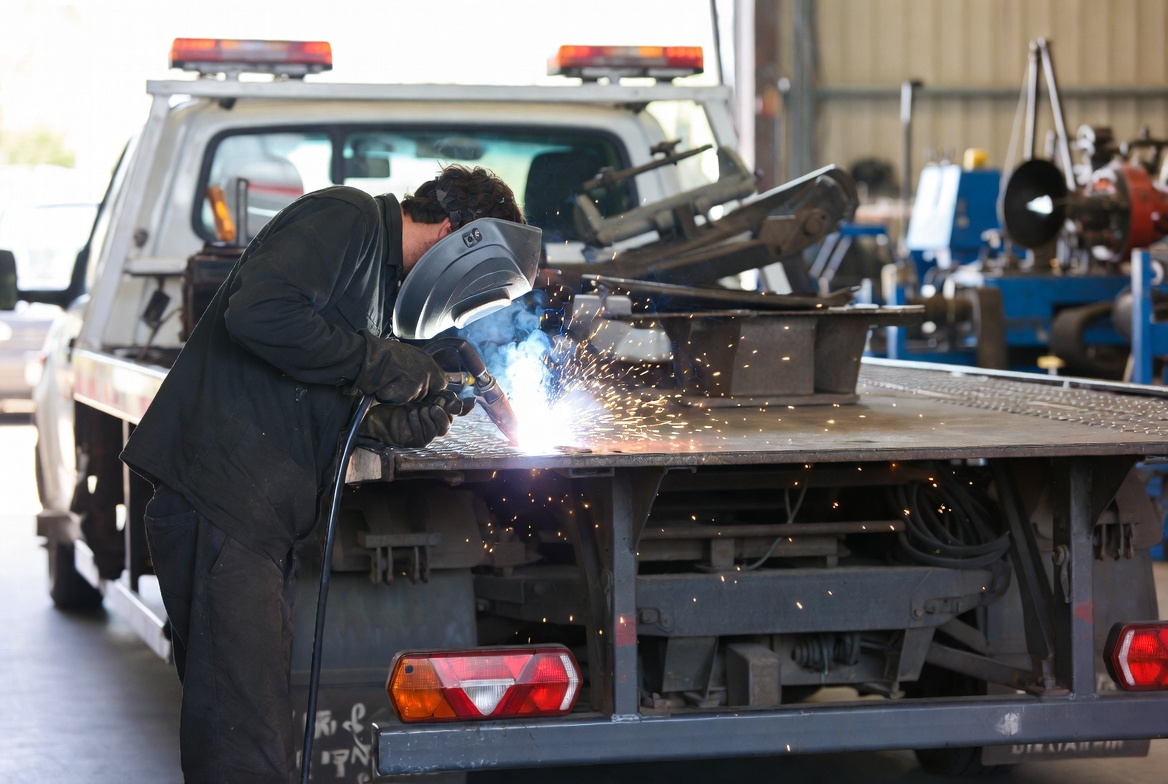
Trades are increasingly looking for vehicles that are adaptable and can evolve with their business. Both flatbeds and drop sides can be modified or customised with features like modular storage, integrated tie-downs, lighting, and electrical upgrades. These enhancements not only improve workflow but also extend the operational life of the vehicle.
By considering long-term needs, such as payload requirements, loading frequency, and site conditions, businesses can invest in vehicles that maximise efficiency and safety for years to come. Choosing the right vehicle now can save time, reduce operational costs, and improve on-site productivity.
Conclusion
Flatbed and drop side vehicles both have unique advantages, and the right choice depends on your trade, workflow, and operational priorities. Flatbeds offer unmatched versatility for oversized or irregular loads, while drop sides provide easy access, partial containment, and quick handling for frequent deliveries.
For tradespeople, fleet operators, and business owners, understanding the differences between these vehicles ensures maximum efficiency, improved safety, and better return on investment. Investing time in selecting the right vehicle — and considering potential customisations — is key to creating a mobile workspace that truly supports your trade.
By evaluating your workflow, load requirements, and site conditions, you can choose a vehicle that not only meets today’s needs but adapts to the challenges of tomorrow.